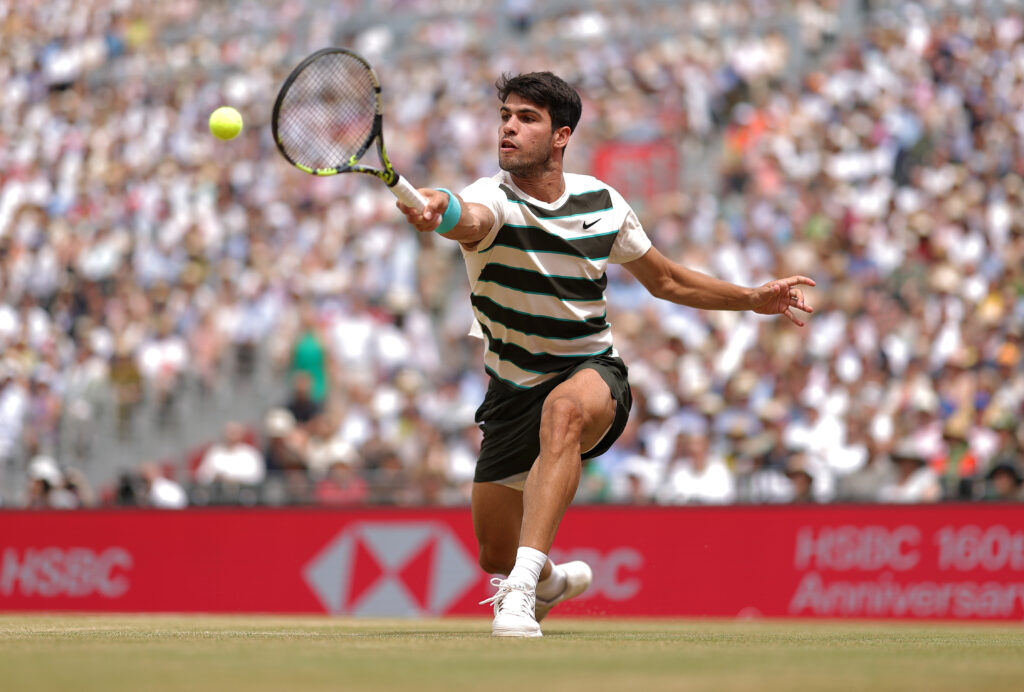
As Wimbledon draws near, Neil Thomas looks at Shropshire’s impact on the game nationally, as well as how a local club is thriving.
One of the highlights of the British summer is Wimbledon fortnight. The All- England Championships are a massive draw – the 9th most watched sporting event in the world, according to a 2026 survey. Indeed, its 70-million global TV audience make it the 4th most viewed annually, for some in the list, such as the Olympic Games and Football World Cup, are quadrennial events.
Wimbledon, as the sport’s biggest promoter, boosts the wider economy with sales of racquets and other tennis equipment increasing along with court hire and club memberships. Not to mention sales of strawberries and cream!
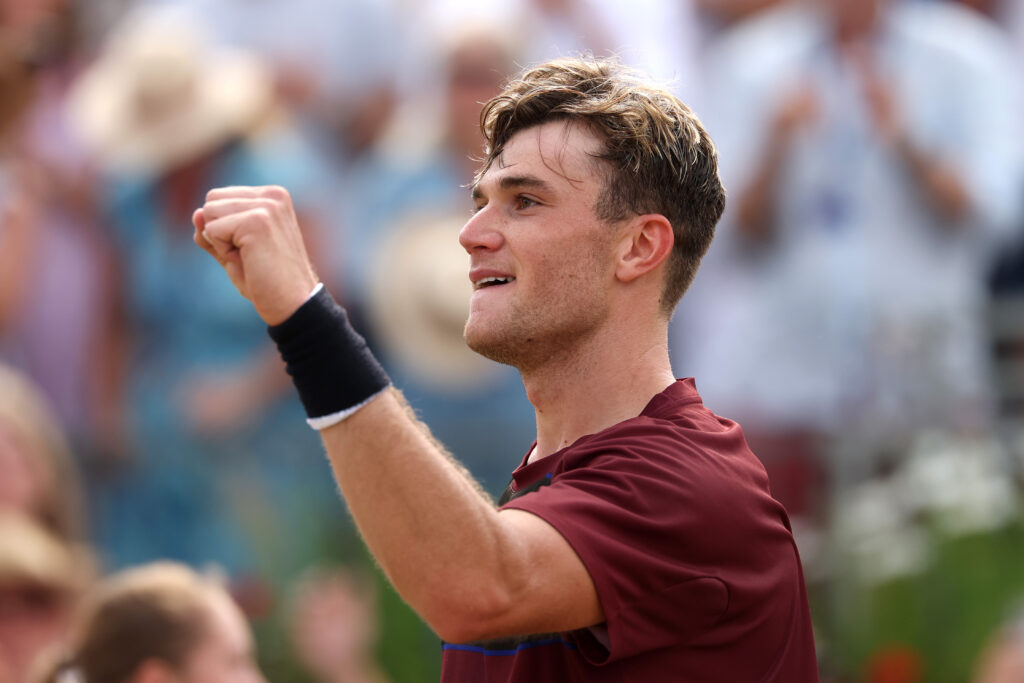
Even non-tennis fans are familiar with the names of its stars, for the sport exudes an off-court glamour, thanks to glossy photoshoots, film documentaries and enormous social media profiles. Alcaraz, Sinner, Djokovic, Sabalenka and past legends Federer, Nadal and Serena Williams are household names. Andy Murray stands alone in the postwar British pantheon, while Jack Draper and Emma Raducanu are this country’s current poster boy and girl. Raducanu, indeed, became an overnight sensation when she won the 2021 US Open as an unseeded 18-year-old.
Wimbledon can also call on a long history, which adds to its prestige. Shropshire has played a small but significant part in that history. Indeed, the county has made Wimbledon history on more than one occasion.
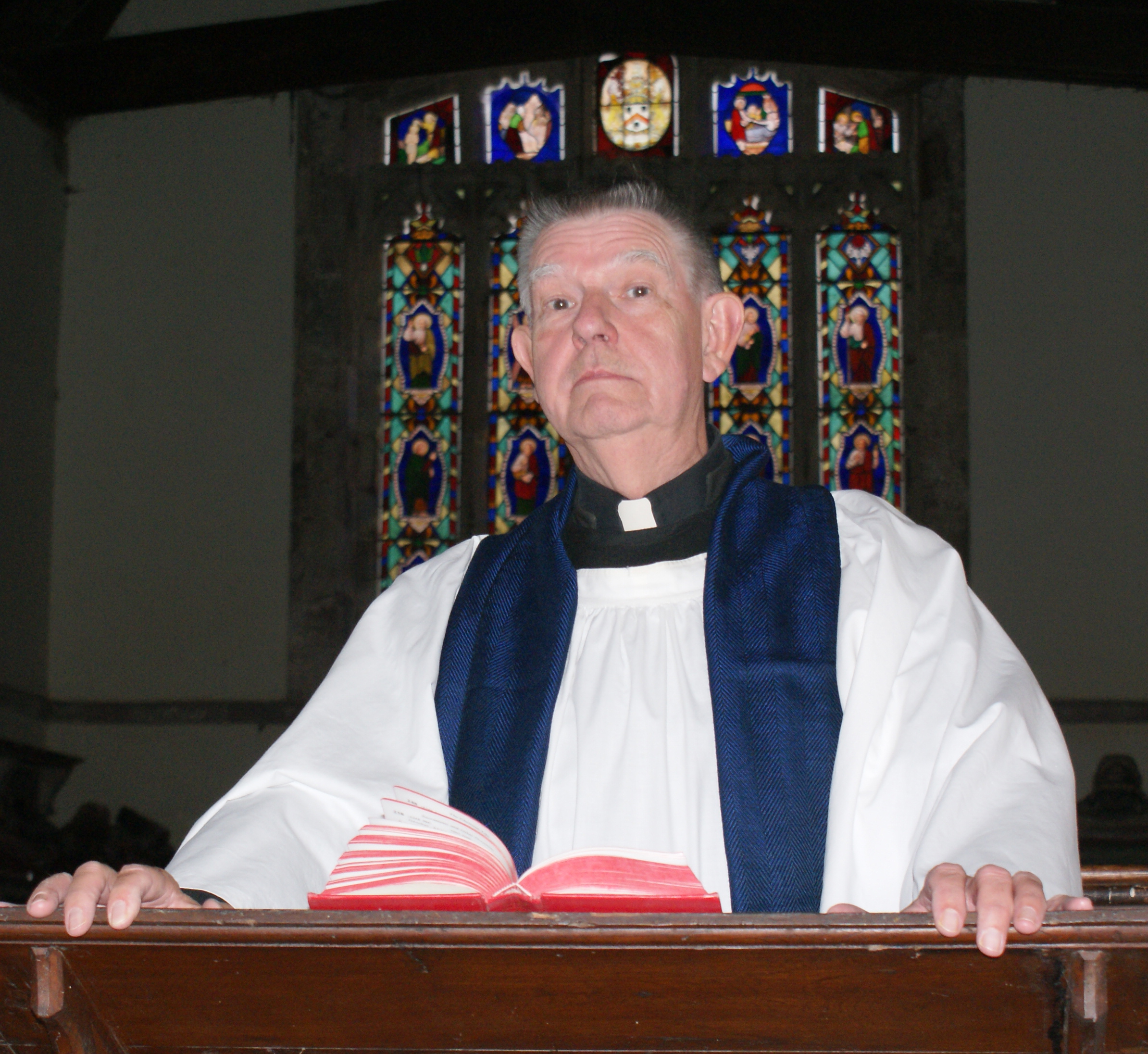
Shropshire bred one of the earliest winners of the men’s singles title – and the only clergyman to win the famous trophy.
More than 130 years later, the first woman to be appointed president of the LTA (Lawn Tennis Association) – the sport’s governing body in Great Britain – came from Shropshire.
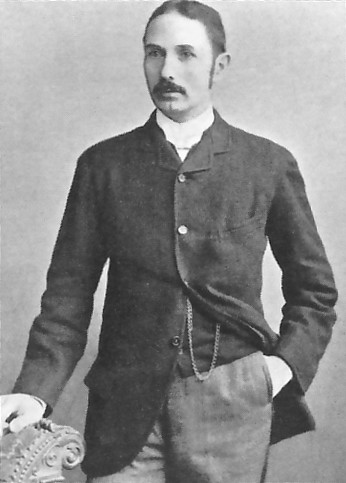
Rev John Thorneycroft Hartley was the third winner of the Gentleman’s Singles title when he defeated Irish champion Vere St Leger Goold 6-2, 6-4, 6-2 on 15 July 1879 – 135 years before the most recent British winner, Andy Murray, won the first of his two titles on 7 July 2013.
Hartley was born in 1849, second son of John Hartley and his wife Emma, daughter of ironmaster George Thorneycroft. There is some doubt over whether John junior was born at Tong, near Shifnal, or in Wolverhampton where his maternal grandfather was partner in the family steelworks. What is beyond doubt is that the future tennis star grew up at Tong Castle, which his father leased from the Earl of Bradford when John was seven. It would remain the family home for more than 50 years – so Shropshire can certainly claim John Thorneycroft Hartley as one of its own.
After his victory in 1879, Hartley retained his title in 1880, defeating Herbert Lawford in four sets, 6–3, 6–2, 2–6, 6–3. However, the vicar was denied a hat-trick when he lost the 1881 final to William Renshaw 6-0, 6-1, 6-1 in just 37 minutes. This was the shortest final on record, indeed for a men’s five-set match it must be one of the briefest ever at elite level. In fairness, Hartley was unwell, reportedly suffering from a bout of ‘English cholera’. He did not compete in the 1882 championships but made a final return at the 1883 championships, losing in the second round to Herbert Wilberforce in four sets.
These were the days of the amateur – indeed professional players were not admitted to the championships until 1968, heralding in the Open era we know now. By the time of his Wimbledon triumphs, Hartley had already answered a higher calling. He was ordained as a Church of England deacon in 1872 and priest in 1873 by the Bishop of Winchester and served from 1872 to 1874 as curate of Christ Church, Southwark in south London. He served as Vicar of Burneston, Yorkshire, from 1874 to 1919 and Rural Dean of East Catterick from 1891 to 1917. He was Honorary Canon of Ripon Cathedral from 1905. He died in 1935 at the age of 86 in Knaresborough, Yorkshire, and is buried at Burneston.
An arts graduate from Christ Church, Oxford, where he later obtained an MA, he married Alice Margaret Lascelles Murray, daughter of William Murray, 4th Earl of Mansfield, in 1875. Nice to think when he won his titles that he had a Murray rooting for him.
We shall never know if his formidable tennis genes would have been passed down the line, for the couple had no children.
It is admittedly stretching a point but it’s worth mentioning that the very first Wimbledon men’s champion Spencer Gore was not without Shropshire connections. Aptly enough, Gore was brought up in Wimbledon, within a mile of the croquet club which hosted the early championships. Educated at Harrow, he excelled at numerous sports, especially cricket, and reportedly thought tennis rather a bore. He managed to rouse himself sufficiently, though, to defeat William Marshall 6-1, 6-2, 6-4 to lift the inaugural trophy, two years before the vicar’s triumph.
Shropshire can claim a tenuous link here, for Gore was the half-brother of Lady Mary Herbert of Styche, near Market Drayton. Lady Mary was the wife of Sir Percy Edgerton Herbert – great grandson of Clive of India who had been born at Styche. Sir Percy died the year before his brother-in-law’s tennis heroics. The widowed Lady Mary lived at Styche for a further 50 years and was a well-known figure in the Market Drayton area before her death in 1927. Whether Spencer ever visited with his racquets for a knock-about on the lawns is open to conjecture.
If all this talk of Earls, Ladies and public schools suggests that tennis was rather an elitist pursuit in the late Victorian era, it wouldn’t be far off the mark. Indeed, it wasn’t really until the 1930s that Stockport-born Fred Perry, the son of a cotton-spinner, showed what was possible for the less privileged. Perry learnt the game on public courts near the housing estate where he grew up in Bolton – and went on to win eight Grand Slams including three Wimbledon titles (1934, 35 and 36).
The game today is, of course, far more accessible with courts and coaching generally available for anyone, young or old, who shows an interest.
In Shropshire considerable credit for this must go to the late Cathie Sabin.
Following Cathie’s death in 2020 aged 73, a statement from the LTA paid particular tribute to her development of the sport at grassroots level.
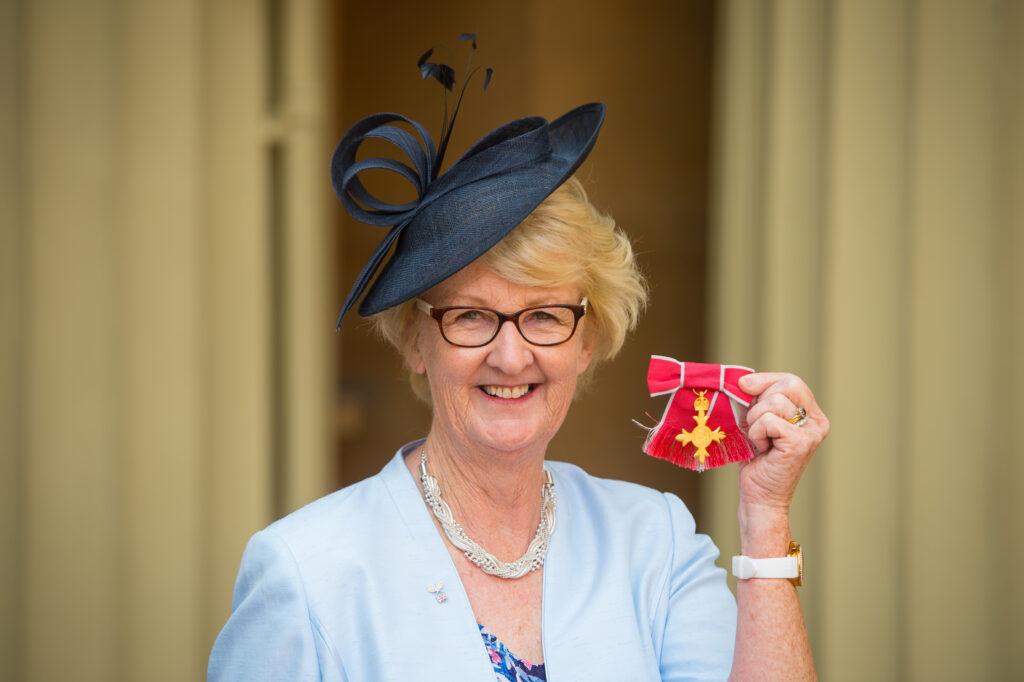
A PE teacher at Idsall School, in Shifnal, Cathie from Much Wenlock played county level tennis in Shropshire. A passionate champion of volunteers, she was a talented administrator whose leadership qualities came to the fore as President of Shropshire Tennis, then on the national stage, as LTA Deputy President in 2011.
In December 2013 she made history, becoming the LTA’s first female president. It was a fitting, if overdue, way to celebrate the organisation’s 125th anniversary. Its first president, in 1888, was seven-times Wimbledon champion William Renshaw – the Roger Federer of his day – and a long succession of chaps assumed the mantle thereafter.
Cathie’s time at the helm coincided with a golden age in British men’s tennis. Andy Murray won the US Open and the first of his Wimbledon titles during her spell as deputy. During her presidency, Great Britain won the Davis Cup for the first time in 81 years in 2015 before Andy Murray won a second Wimbledon title the following year.
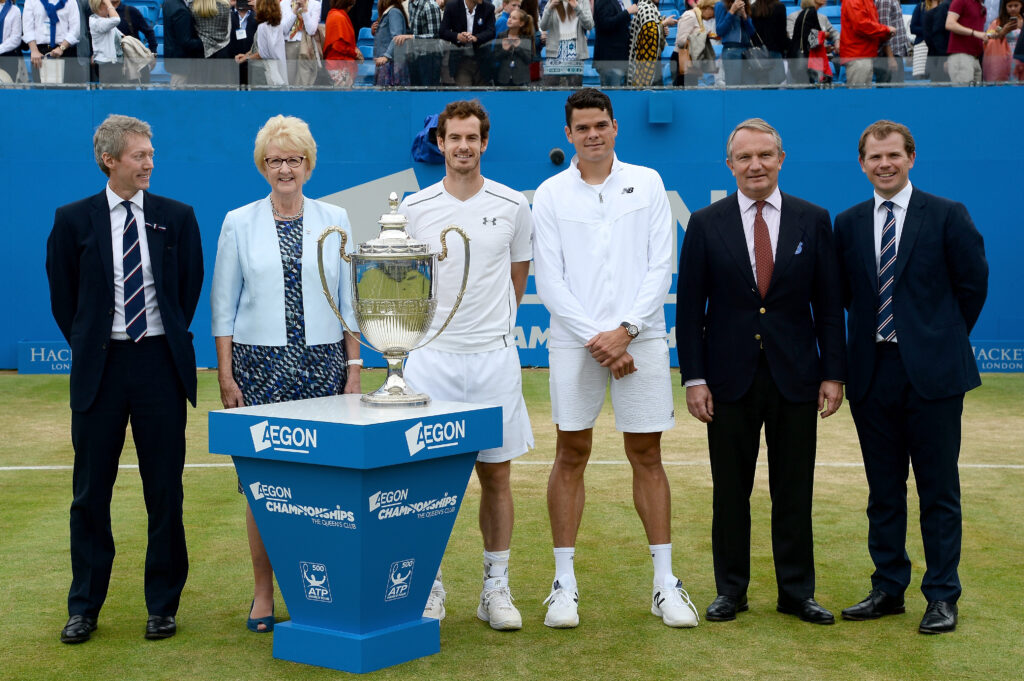
Viewers of the BBC’s Wimbledon and Queen’s Club coverage would doubtless have spotted Cathie during presentations on finals days, as well as at the Davis Cup celebrations. She stepped down from her role in 2017 when she was succeeded by Martin Corrie. Normal service may have been resumed but pioneering Cathie had broken the mould. It was to be only another six years before a second female president, Sandi Procter, was appointed.
Fittingly, Cathie was appointed OBE in the 2016 New Year’s Honours for her services to tennis.
Her contribution to the sport was even recognised by tennis ‘royalty’. Judy Murray, mother of Andy and Jamie and herself a top coach, described her as “an absolute tennis gem, incredibly warm, down to earth, a special woman.”
The LTA, of which Cathie was such an inspirational figurehead, oversees tennis and the relatively new and phenomenally popular racquet sport of padel, in Great Britain. It represents the interests of more than 2.5 million members, playing on more than 23,000 courts, growing tennis from grassroots participation through to the professional game.
“Our vision is to open up tennis and padel, harnessing them and working with schools, volunteers, coaches and venues across the whole country to transform communities,” explains LTA spokesman Josh Dawson. The LTA runs and supports a network of 11,500 approved tournaments for players of all ages, the main cornerstones of which are the LTA’s premier grass-court tennis events at The Queen’s Club, Nottingham and Eastbourne, leading up to The Championships at Wimbledon.
Cathie Sabin oversaw all this in her career as a top official. In her playing days, though, Cathie was a member of Bridgnorth, one of the county’s most thriving tennis clubs. Based at Cricket Meadow, off Victoria Road, the club has become a real hub for both junior and adult players, with around 180 members regularly taking to the courts. With four floodlit all-weather courts – tennis is an all-year-round game nowadays – and a clubhouse for post-match refreshments, the club is an ideal centre for both social play and competitive matches.
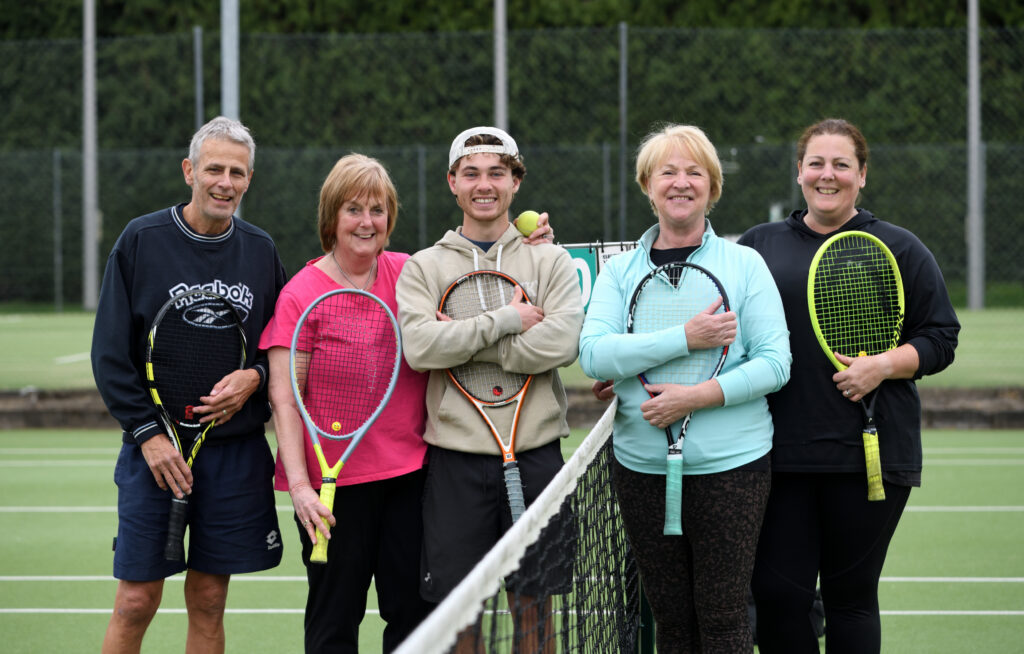
“A particular highlight is our weekly Rusty Rackets session,” says club secretary Lorna Dexter. “It’s a relaxed, two-hour adult beginner and intermediate group designed for those returning to tennis or just starting out.”
Open to all ages and abilities, for both men and women, the session includes a friendly tea and coffee break halfway through. “It is open to both members and non-members, simply turn up and play.”
For those looking for regular play, the club hosts men’s, women’s and mixed club nights, alongside a busy competitive calendar. Bridgnorth teams compete in the Shropshire men’s and ladies’ summer leagues, as well as the mixed autumn league, with additional mixed inter-club tournaments taking place over the winter.
Coaching is led by Head Coach Nick Dexter, Lorna’s 22-year-old son, who provides regular team coaching alongside one-to-one sessions.
“A strong junior section is at the heart of the club, with group coaching available for both members and non-members, as well as competitive squads. “The club is proud to support junior players competing at county level, with many also representing the club in the Shropshire junior summer league and some stepping up to play in adult league matches,” Lorna explains.
“Beyond the courts, we have a thriving social side, with events such as pancake nights, dawn tournaments, and themed food and tennis evenings bringing members together throughout the year.
“We also host friendly charity tournaments, welcoming players from other clubs and raising funds for good causes.”
So, whether you are looking to compete, get fit, or simply meet new people, Bridgnorth Tennis Club offers something for everyone in a friendly and supportive environment.
“Our aim at Bridgnorth Tennis Club is to bring people together through sport, offering a welcoming and inclusive place for the local community to get active, socialise, and enjoy tennis at all levels.”
Visit bridgnorthtennisclub.co.uk for more information.