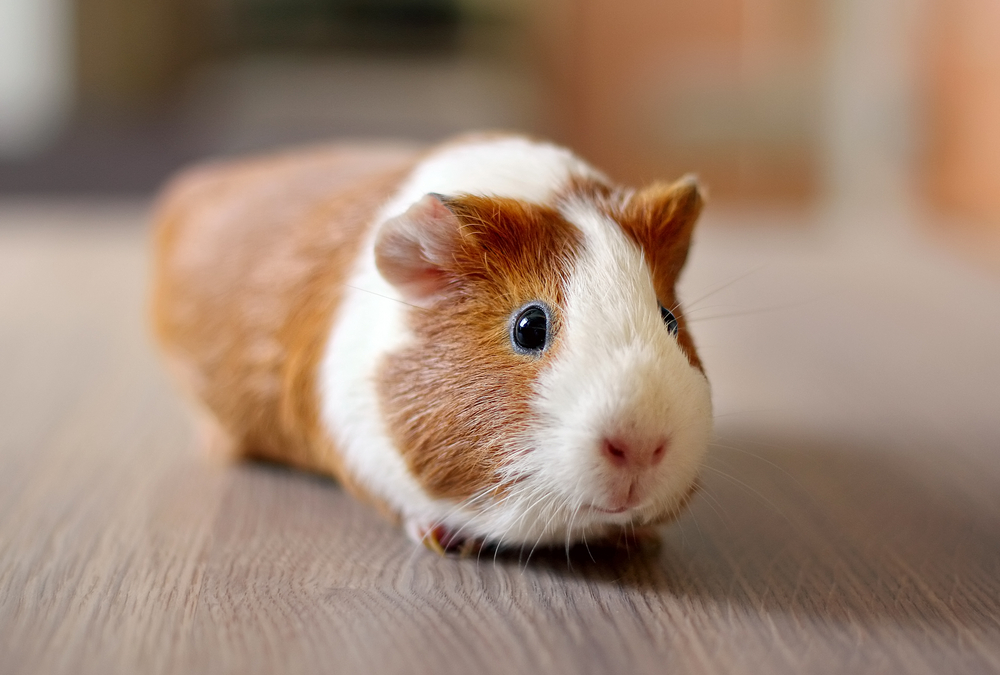
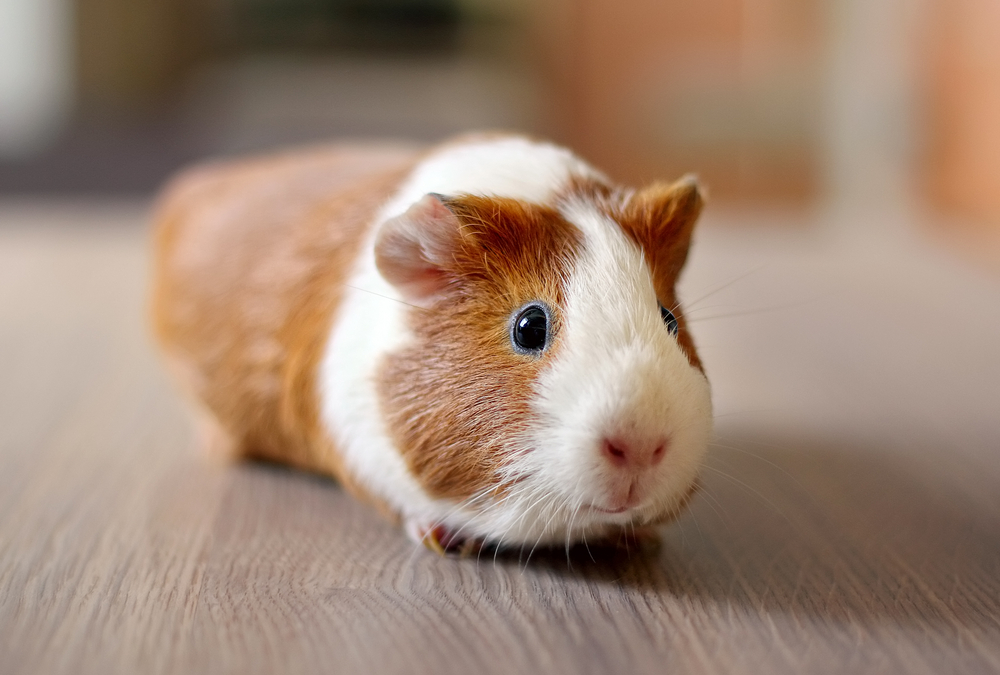
Vet Sarah Probert gets up close and personal with a most rewarding pet – the inquisitive guinea pig.
Guinea pigs, also called cavies, are fairly easy to look after and suffer from few serious health problems, making them an ideal pet. Despite their name, they’re not part of the pig family, nor are they from Guinea! They originate from the low-lying grasslands of South America and usually live for around six years. They love company and it is advisable to keep them in same sex groups or pairs. Males and females should be neutered if they’re being housed together, as they will breed. Also, don’t be tempted to house guinea pigs with rabbits – they may both be cute, but the rabbits are likely to injure the smaller animals.
Happy outdoors
Guinea pigs are usually happy to live outdoors; as they have very sensitive hearing, family homes can be noisy. A large hutch with a separate sleeping area in a draught-proof shed is the best – garages with vehicles in are a ‘no no’, as the fumes may kill them. They’re natural grazers so a run is the best place for them during the daytime. They’ll need protection from direct sunshine and extreme weather, and they like little nooks and crannies to hide from potential predators – try tubes and pots.
Day-to-day care
Guinea pigs need constant access to good quality hay, which should form the majority of their diet. Fruit and vegetables such as melon, orange, spinach, broccoli, kale and cabbage should be provided for vitamin C and a small amount of commercial mix can also be made available. Don’t rely on mix alone, and never feed a rabbit mix – it must be one especially for guinea pigs. They must also have constant access to fresh water.
Though they’re easy-care pets who rarely suffer from serious health problems, guinea pigs may experience foot infections from poor housing or skin mites from low-quality hay. They can get dental disease if they don’t have enough fibre, and many are overweight from too many treats! They can also suffer eye problems from shavings and dusty bedding, so hay is probably best to sleep on too. Sneezing and respiratory problems can be avoided by providing a clean, dust-free environment.
Handling and caring for your ‘chirruping’ friend
Long-haired varieties need brushing and grooming, and their claws grow very quickly and may need clipping to prevent curling, which can cause infections. Make sure their bottoms are kept clean, especially in summer to prevent fly strike. Most guinea pigs can be handled well so make good pets for children; they seem to enjoy human company. They do have a relatively long life span though, so may outlive a child’s interest in them.
They can be fun to watch, being active for up to 20 hours a day, and they are very vocal: the squeaks, chirruping and cooing they make when happy are very appealing!
Sarah Probert, BVSc MRCVS
Bridgnorth Veterinary Centre